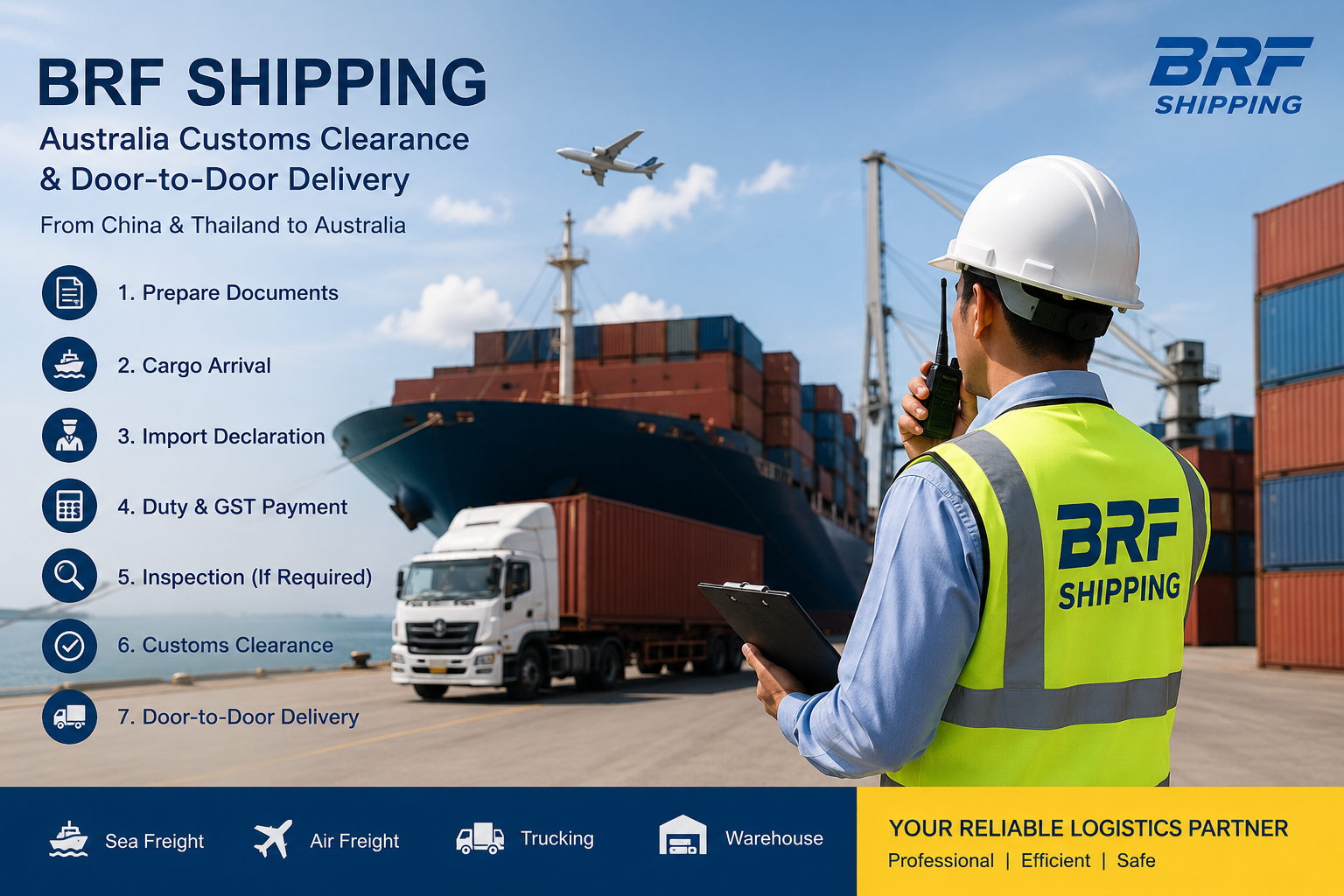
DDP (Delivered Duty Paid) is one of the 11 official Incoterms® rules defined by the International Chamber of Commerce (ICC). It represents the shipping term where the seller takes full responsibility for delivering goods to the buyer’s destination, including all costs, taxes, and customs duties.
Under DDP shipping, the buyer receives goods at the final destination with zero additional logistics or customs obligations.
In simple terms:
DDP = Door-to-door delivery with all duties, taxes, and customs handled by the seller.
DDP stands for Delivered Duty Paid, meaning:
Seller arranges full international transportation
Seller pays export & import duties
Seller handles customs clearance in destination country
Seller delivers goods to buyer’s door or warehouse
Buyer only receives the shipment
This makes DDP one of the most buyer-friendly Incoterms in global trade.
Under DDP Incoterms, the seller is responsible for nearly everything in the shipping chain:
Export customs clearance in origin country
International freight (sea / air / rail)
Import customs clearance in destination country
Import duties & taxes (VAT / GST / tariffs)
Delivery to final address
Insurance (if included in contract)
Last-mile trucking
Provide delivery address
Unload goods (in most cases)
No customs handling required
Goods are collected from factory or warehouse in China.
Export declaration and customs documents are prepared.
Cargo is shipped via:
Ocean freight (FCL/LCL)
Air freight
Express courier (small cargo)
Freight forwarder or seller acts as Importer of Record (IOR) and clears goods in destination country.
All import duties, VAT, and fees are prepaid by seller.
Cargo is delivered directly to buyer’s warehouse or door.
No customs handling, no hidden fees, no paperwork.
All-in pricing includes freight + duty + tax.
Fewer delays due to customs confusion.
Many sellers use DDP for:
Amazon FBA shipments
Shopify cross-border shipping
Dropshipping logistics
While convenient, DDP also has limitations:
Seller absorbs all logistics + tax risk.
Incorrect HS codes or undervaluation can cause delays.
Buyer has no visibility into customs declaration.
Some countries restrict importer-of-record arrangements.
| Term | Who Pays Freight | Who Pays Duties | Customs Responsibility |
|---|---|---|---|
| EXW | Buyer | Buyer | Buyer |
| FOB | Buyer (after port) | Buyer | Buyer |
| CIF | Seller (to port) | Buyer | Buyer |
| DAP | Seller | Buyer | Buyer clears import |
| DDP | Seller | Seller | Seller handles all |
DDP is best for:
First-time importers
E-commerce sellers
Small & medium businesses
Amazon FBA shipments
Buyers who want “no surprise cost” delivery
Avoid DDP when:
You want full customs control
You need VAT/tax reclaim in your company country
You require strict compliance transparency
Very cheap DDP quotes may indicate:
Incorrect customs declaration
Undervaluation risks
Can affect tax reporting and audits.
Seller becomes Importer of Record in destination country.
Yes—when handled by a professional freight forwarder.
A reliable DDP service should include:
Proper HS code classification
Legal customs compliance
Accurate invoicing
Transparent shipping route
BRF SHIPPING provides end-to-end DDP shipping from China to global destinations, including:
Services include:
Factory pickup
Export clearance
Ocean & air freight
Customs clearance (import country)
DDP means the seller is responsible for all costs and risks until goods are delivered to the buyer’s location.
The seller pays all import duties, taxes, and clearance fees.
DDP is more convenient for buyers, while DAP gives buyers more control over customs.
Yes, final delivery is included in DDP terms.
Yes, it is widely used for Amazon FBA shipments from China.
DDP Incoterms (Delivered Duty Paid) is one of the most convenient international shipping terms, offering fully managed logistics from origin to destination.
It is ideal for importers who want:
Simplicity
Predictable costs
Zero customs handling
However, selecting a reliable logistics partner is critical to ensure compliance and avoid hidden risks.
telephone: +86 13869820502
Whatsapp & Wechat: +86-13869820502
E-mail: Quotation@brfshippinggroup.com
Copyright © 2025 BRF SHIPPING GROUP All Rights Reserved. Powered by hicheng